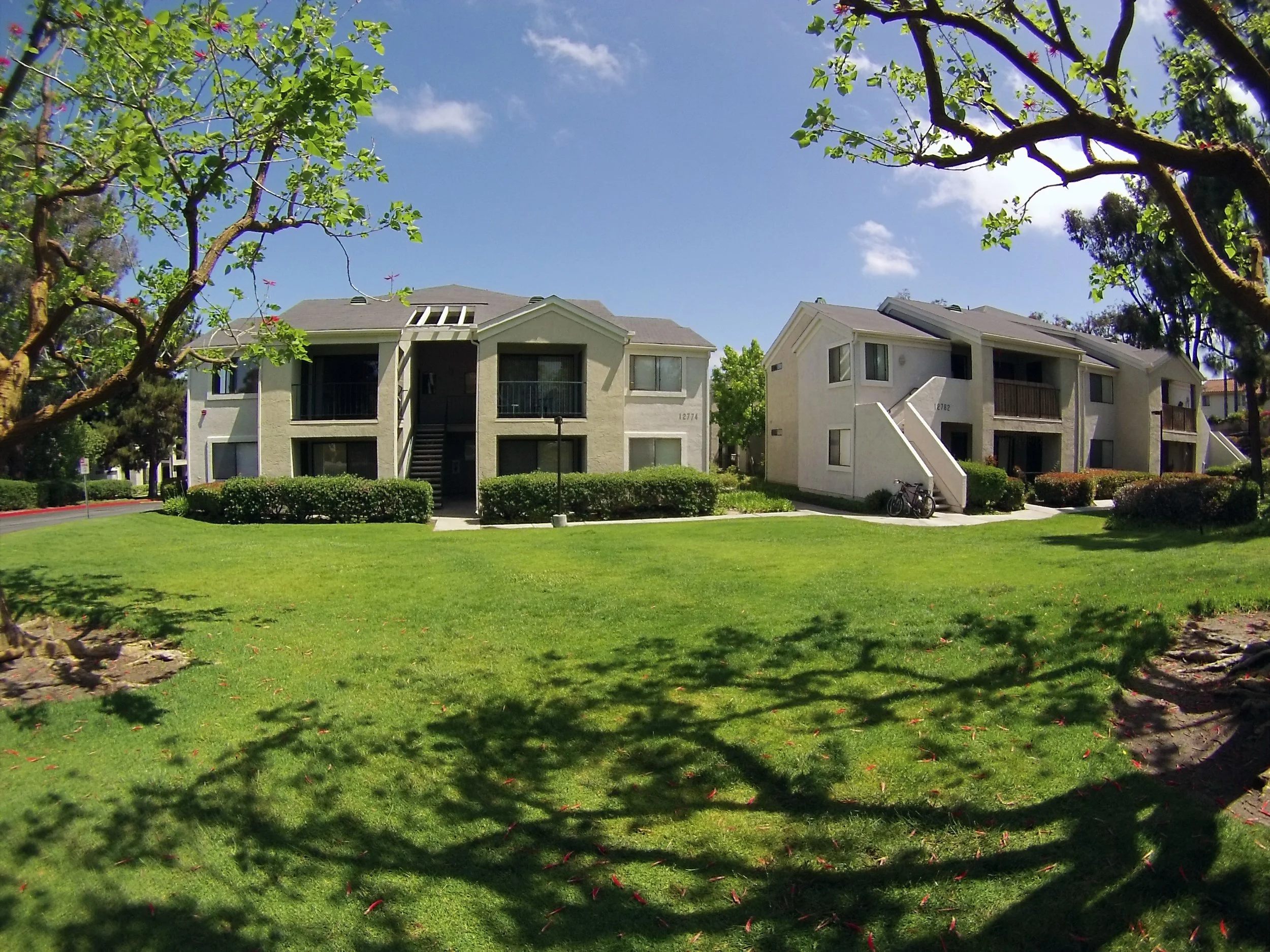
HOA / MULTI FAmily
Southern Cross Property Consultants has over 23 years of experience providing construction management services for HOA and multifamily projects. We strive to be among the most professional and reliable construction management and consulting firms in the industry, with a steadfast commitment to client satisfaction and excellence in every aspect of our work.
Our team specializes in helping clients achieve their project objectives by defining the appropriate scope of work and administering projects from conception through completion. We are dedicated to ensuring that each association’s project is completed on time and within budget, while minimizing disruption to the community.
We believe that clear, consistent communication is the foundation of every successful project. This includes ongoing coordination among board members, property managers, contractors, design professionals, and—most importantly—the residents of the community. SCPC coordinates and integrates the work of general contractors, specialty contractors, architects, and engineers as required for each project. Through teamwork, professional analysis, and effective coordination, we consistently deliver quality results for our clients.
Much of our recent experience involves assisting homeowner associations with repair and restoration projects, often under challenging conditions. Our proven track record of successful projects reflects the depth of our experience and the trust our clients place in us.
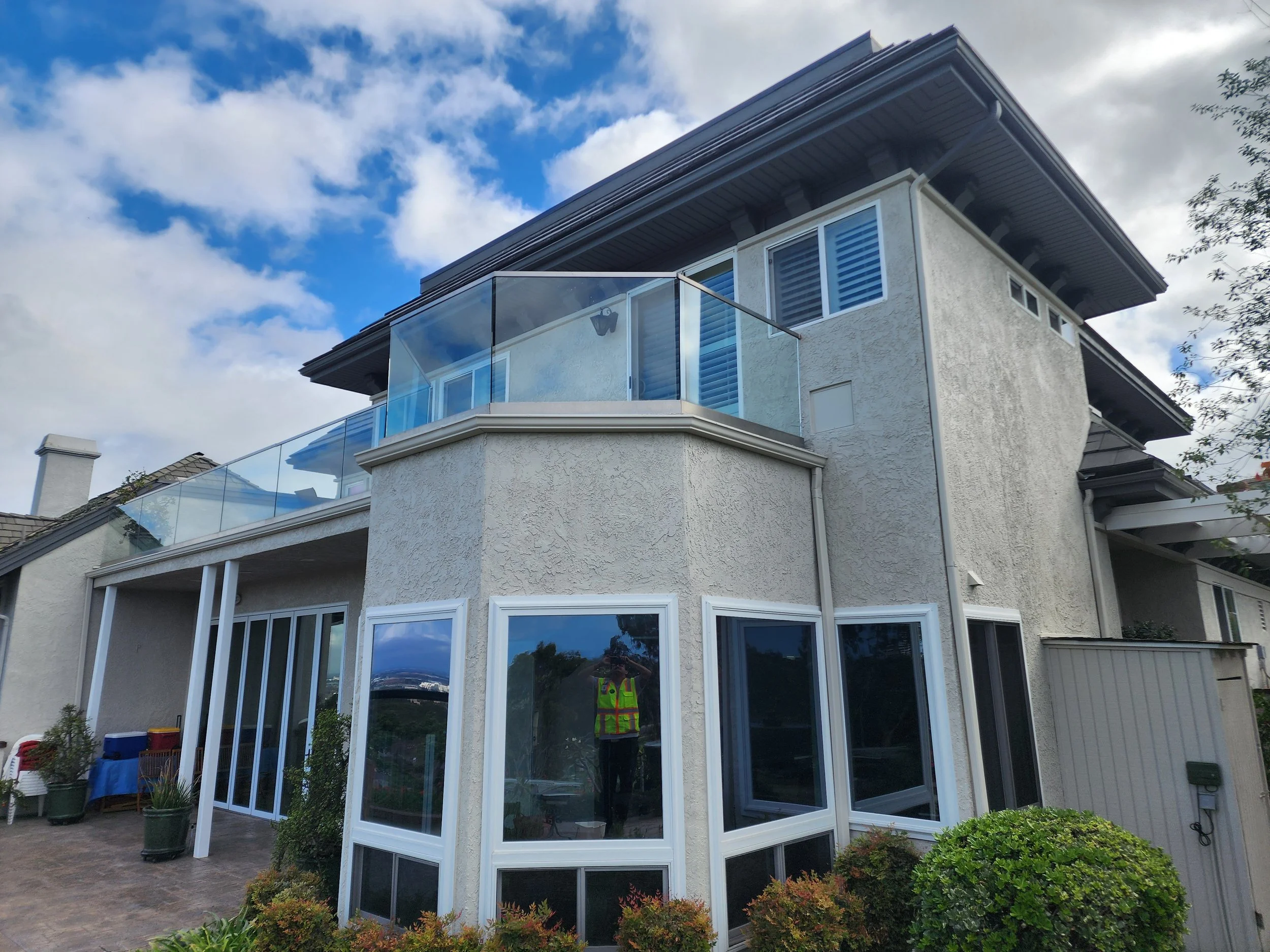
Construction Management Services
Southern Cross Property Consultants provides comprehensive construction management services, including:
· Project planning
· Scope of work development
· Competitive bidding and contractor coordination
· Project costing and decision support
· Construction management and oversight



Project Services
· Wood replacement and painting
· Deck, balcony, and walkway repairs
· Roofing
· Water intrusion and waterproofing repairs
· Structural repairs and foundation underpinning
· Re-piping and sewer line renovations
· Asphalt replacement
· Construction defect repairs
· Seismic retrofits
· Electrical panel upgrades
· Corridor renovations
· Slope failure, grading, and drainage repairs
· Swing stage installation and modification
· Clubhouse, pool deck, and pool renovations
· Restroom and locker room renovations
· Bridge structural renovations
· Elevator renovation and replacement
case studies
-
Southern Cross Property Consultants was contracted by an association involved in a construction defect case. At the time we were brought into the project, the association had already selected the contractor named in the defect litigation and did not solicit competitive bids from other contractors.
Our role was to evaluate the proposed scope of work based on the construction defect litigation reports and assist the association in understanding the repair strategy. During the pre-construction phase, Southern Cross Property Consultants worked closely with the contractor to review the project details and prepare for construction.
As the project was about to enter the construction phase, we were notified by the management company that our contract had been terminated per the board’s decision. The board determined that a third-party construction manager was unnecessary because the contractor’s proposal included a line item for project management.
We explained to both management and the board that a contractor’s project manager represents the contractor’s interests—overseeing production, cost control, and scheduling from the contractor’s perspective—not the association’s. Despite this clarification, the board proceeded with termination, and Southern Cross Property Consultants was no longer involved in the project.
Approximately three and a half months later, a newly appointed board member contacted us, questioning why we had not been present during construction. We provided documentation showing that our contract had been terminated. The board member expressed serious concerns regarding communication, workmanship, production delays, and overall project performance.
Within five days of that conversation, Southern Cross Property Consultants was re-engaged to oversee the project.
Upon returning to the site, we immediately identified multiple construction deficiencies that posed risk of future failure, including:
Failure to install waterproofing behind stucco at garage areas
Improper waterproofing installation at soffits
nadequate overlapping of waterproofing at parapet walls
Improper flashing installation
Evidence of water intrusion due to insufficient temporary weather protection
Association was charged twice for insurance on change orders, as per their contract, signed while Southern Cross Property Consultants was not involved in the project. This saved the association approximately 2% on their construction defect repairs.
Additionally, prior to our re-engagement, when leaks occurred, the contractor addressed moisture issues by placing dehumidifiers in affected units. No proper remediation was performed beyond moisture mitigation. As we worked with the association to investigate further, mold was discovered in several units due to inadequate remediation practices. A third-party remediation company was subsequently engaged to properly address the issue.
Throughout the remainder of the project, Southern Cross Property Consultants identified ongoing failures in:
Communication with homeowners
Timely notification procedures
Schedule maintenance
Quality control oversight
We were required to intervene repeatedly to ensure corrective action was taken and to protect the association’s interests.
Conclusion
This project underscores a critical lesson for community associations:
Whether a project is large-scale or limited in scope, retaining an independent third-party construction manager is essential. A contractor’s project manager serves the contractor. An independent construction manager serves the association—protecting its financial interests, ensuring quality workmanship, maintaining accountability, and reducing long-term risk.
Proper oversight is not an added expense—it is risk management.
-
Southern Cross Property Consultants was initially retained by an association involved in a construction defect repair project. The association had selected the contractor named in the litigation without soliciting competitive bids. Our role was to evaluate the repair scope and provide independent oversight on behalf of the association.
Just prior to construction, our contract was terminated after the Board determined that the contractor’s in-house project management made third-party oversight unnecessary.
Approximately three and a half months into construction, significant concerns emerged regarding workmanship, communication failures, schedule delays, and water intrusion. A newly appointed board member contacted our firm, and we were re-engaged within five days.
Upon returning to the project, we identified critical deficiencies including improper waterproofing installation, flashing errors, inadequate weather protection, and active water intrusion. We also discovered duplicate insurance charges within executed change orders, resulting in approximately 2% cost savings once corrected.
Additionally, moisture issues had been addressed with dehumidifiers only, without proper remediation. Subsequent investigation revealed mold in multiple units, requiring third-party remediation.
Following reinstatement, Southern Cross Property Consultants implemented corrective oversight measures, improved communication protocols, enforced quality control standards, and restored financial accountability.
Key Takeaway
A contractor’s project manager represents the contractor’s interests. An independent construction manager represents the association’s interests. Independent oversight protects financial resources, ensures quality workmanship, maintains schedule control, and reduces long-term risk exposure. Construction oversight is not an added cost — it is essential risk management.
-
Client Situation
A homeowners association was engaged in a major construction defect repair project. Prior to involving Southern Cross Property Consultants, the association had selected the contractor named in the litigation and chose not to solicit competitive bids.
Southern Cross Property Consultants was retained to review the litigation repair reports, evaluate the proposed scope of work, and assist the association in preparing for construction.
However, just as the project was entering the construction phase, the board made the decision to terminate our contract. The reason: the contractor’s proposal included a line item for “project management,” and the board believed third-party oversight was unnecessary.
The Risk
A contractor’s project manager represents the contractor — not the association.
Without independent oversight, the association proceeded into construction relying solely on the contractor to manage quality control, schedule adherence, communication, and compliance with the defect repair scope.
Within a few months, significant concerns began to surface.
Re-Engagement
Approximately three and a half months after our termination, a newly appointed board member contacted Southern Cross Property Consultants after noticing ongoing issues with:
Poor communication
Missed schedules
Questionable workmanship
Lack of homeowner coordination
General dissatisfaction with project progress
Within five days, we were re-engaged to take over independent construction management and protect the association’s interests.
What We Found
During our first week back on site, we identified multiple construction deficiencies, including:
Missing waterproofing behind stucco at garage areas
Improper waterproofing installation at soffits
Inadequate overlap of waterproofing at parapet walls
Improper flashing installation
Insufficient temporary weather protection leading to water intrusion
Additionally, when leaks had previously occurred, the contractor placed dehumidifiers in affected units but failed to perform proper remediation. No invasive drying, material removal, or mold protocol had been implemented.
Subsequent investigation revealed mold growth in multiple units due to improper moisture remediation. A licensed third-party remediation firm had to be brought in to correct the issue.
Our Impact
Once re-engaged, Southern Cross Property Consultants:
Documented construction deficiencies
Required corrective work before concealment
Coordinated proper remediation procedures
Established accountability protocols
Improved communication between contractor, management, and homeowners
Implemented structured schedule tracking
Provided independent reporting to the board
Our oversight helped prevent further concealed defects, minimized future liability exposure, and restored control of the project.
Key Takeaway
This project highlights a critical truth:
A contractor manages production. An independent construction manager protects the association.
When associations rely solely on a contractor’s internal project management, quality control and owner protection can be compromised.
Independent oversight ensures:
Scope compliance
Proper installation methods
Risk mitigation
Transparent communication
Long-term asset protection
Why Independent Construction Management Matters
Whether a project involves construction defect litigation repairs or general capital improvements, retaining a third-party construction manager is not an added cost — it is risk management.
Southern Cross Property Consultants serves as the association’s advocate, ensuring projects are executed properly, efficiently, and in the best interest of the community.
-
During a recent re-roofing project, Southern Cross Property Consultants uncovered multiple issues that could have significantly exposed the homeowner’s association to liability. The situation reinforces why independent construction oversight is essential on major capital improvement projects.
Contract Compliance Breakdown
Prior to contractor selection, the association established clear contractual requirements:
A dedicated onsite superintendent or foreman employed by the awarded roofing contractor
No changes in key personnel without prior approval
Full disclosure of any subcontractors used on the project
These provisions were specifically intended to control risk, verify insurance coverage, and maintain accountability.
Shortly after construction began, our team noticed roofing personnel wearing apparel from a different company. Upon inquiry, it was revealed that the awarded contractor had subcontracted the roofing work to another firm—without notifying the association or construction manager.
While subcontracting is common in the construction industry, failure to disclose it created several concerns:
Was the subcontractor properly licensed?
Did they carry adequate insurance?
Who held primary responsibility for workmanship and safety?
Was the association properly protected under indemnification provisions?
Further investigation confirmed that the required onsite superintendent was not an employee of the contracted roofing company, directly contradicting the agreed-upon terms.
Southern Cross immediately directed a pause in operations until the contractor complied with contractual obligations. This included confirming proper insurance coverage, clarifying responsibility, and assigning a qualified onsite representative employed by the awarded contractor.
The issues were ultimately corrected, but only because active third-party oversight was in place.
Jobsite Safety & OSHA Concerns
In addition to contractual violations, Southern Cross identified repeated safety deficiencies, which are solely the responsibility of the contractor and their safety compliance team, including:
Workers not wearing fall protection harnesses
Improper tie-off procedures
An unsecured makeshift bridge between buildings
Work performed at heights exceeding OSHA thresholds without adequate protection
Despite initial claims of compliance, site conditions did not meet safety standards. A stop-work directive was issued until appropriate fall protection systems were implemented by the contractor’s safety compliance team.
The Broader Liability Implications
Many assume job site safety and subcontractor management fall solely under the contractor’s responsibility. However, if an injury occurs and coverage is inadequate—or if contractual requirements were not enforced—the association could face significant legal and financial exposure.
Independent construction management oversight helps to:
Enforce contractual terms
Verify insurance and licensing compliance
Monitor jobsite safety practices
Reduce potential litigation exposure
Protect the association’s financial interests
This project demonstrates that oversight is not merely administrative—it is a proactive risk mitigation strategy that safeguards associations throughout the construction process.
-
Southern Cross Property Consultants was initially retained by an association involved in a construction defect repair project. The association had selected the contractor named in the litigation without soliciting competitive bids. Our role was to evaluate the repair scope and provide independent oversight on behalf of the association.
Just prior to construction, our contract was terminated after the Board determined that the contractor’s in-house project management made third-party oversight unnecessary.
Approximately three and a half months into construction, significant concerns emerged regarding workmanship, communication failures, schedule delays, and water intrusion. A newly appointed board member contacted our firm, and we were re-engaged within five days.
Upon returning to the project, we identified critical deficiencies including improper waterproofing installation, flashing errors, inadequate weather protection, and active water intrusion. We also discovered duplicate insurance charges within executed change orders, resulting in approximately 2% cost savings once corrected.
Additionally, moisture issues had been addressed with dehumidifiers only, without proper remediation. Subsequent investigation revealed mold in multiple units, requiring third-party remediation.
Following reinstatement, Southern Cross Property Consultants implemented corrective oversight measures, improved communication protocols, enforced quality control standards, and restored financial accountability.
Key Takeaway
A contractor’s project manager represents the contractor’s interests. An independent construction manager represents the association’s interests.
Independent oversight protects financial resources, ensures quality workmanship, maintains schedule control, and reduces long-term risk exposure.
Construction oversight is not an added cost — it is essential risk management.
-
Southern Cross Property Consultants was engaged to oversee a community-wide deck repair project after the association had already selected a contractor and approved their scope of work.
The contractor proposed three repair levels — including full deck rebuilds. When demolition began on the first balcony, we immediately identified that the structure was in sound condition and did not warrant reconstruction.
We paused the project and conducted a property-wide evaluation.
Our findings showed only minor flashing deterioration and isolated drainage issues — not systemic structural failure. Instead of allowing inconsistent repairs and multiple warranty durations across the community, we recommended re-sloping and installing a new waterproofing system on all decks, creating a uniform five-year warranty throughout the property.
The Result
Eliminated unnecessary rebuilds
Standardized repairs community-wide
Simplified long-term warranty management
Saved the association approximately $150,000
Independent oversight doesn’t add cost — it prevents it.